

BOOKNOW
REQUESTNOW
At home
To bed
At the table
To do

History

Once constructed of stones and dreams.

Experienced a lot, survived even more.

Space for those on the move.

Food and drink when resting.

You don't have to learn anything, but you can experience many things.

The House at Grienanger


Centuries in Its Luggage


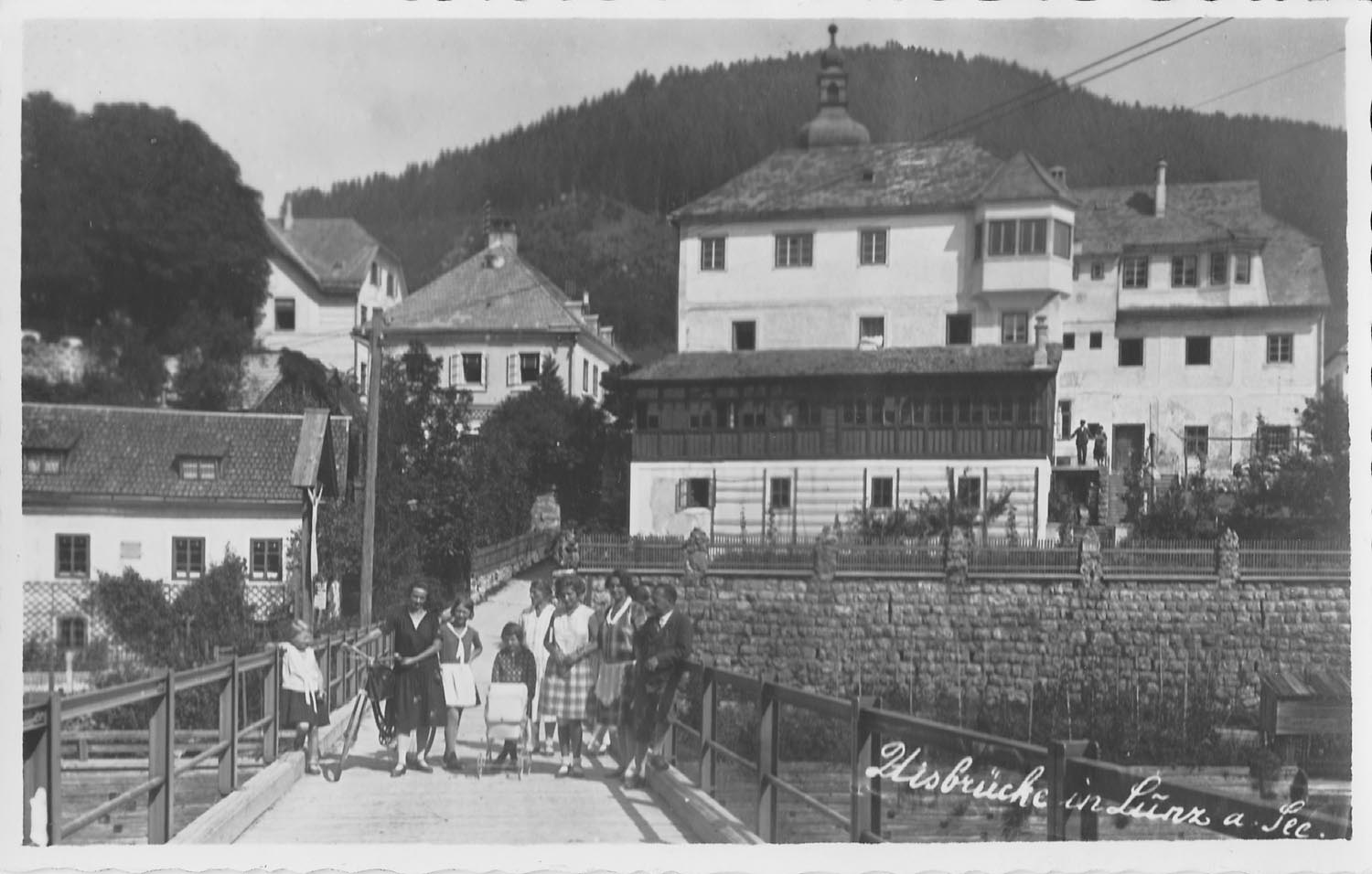
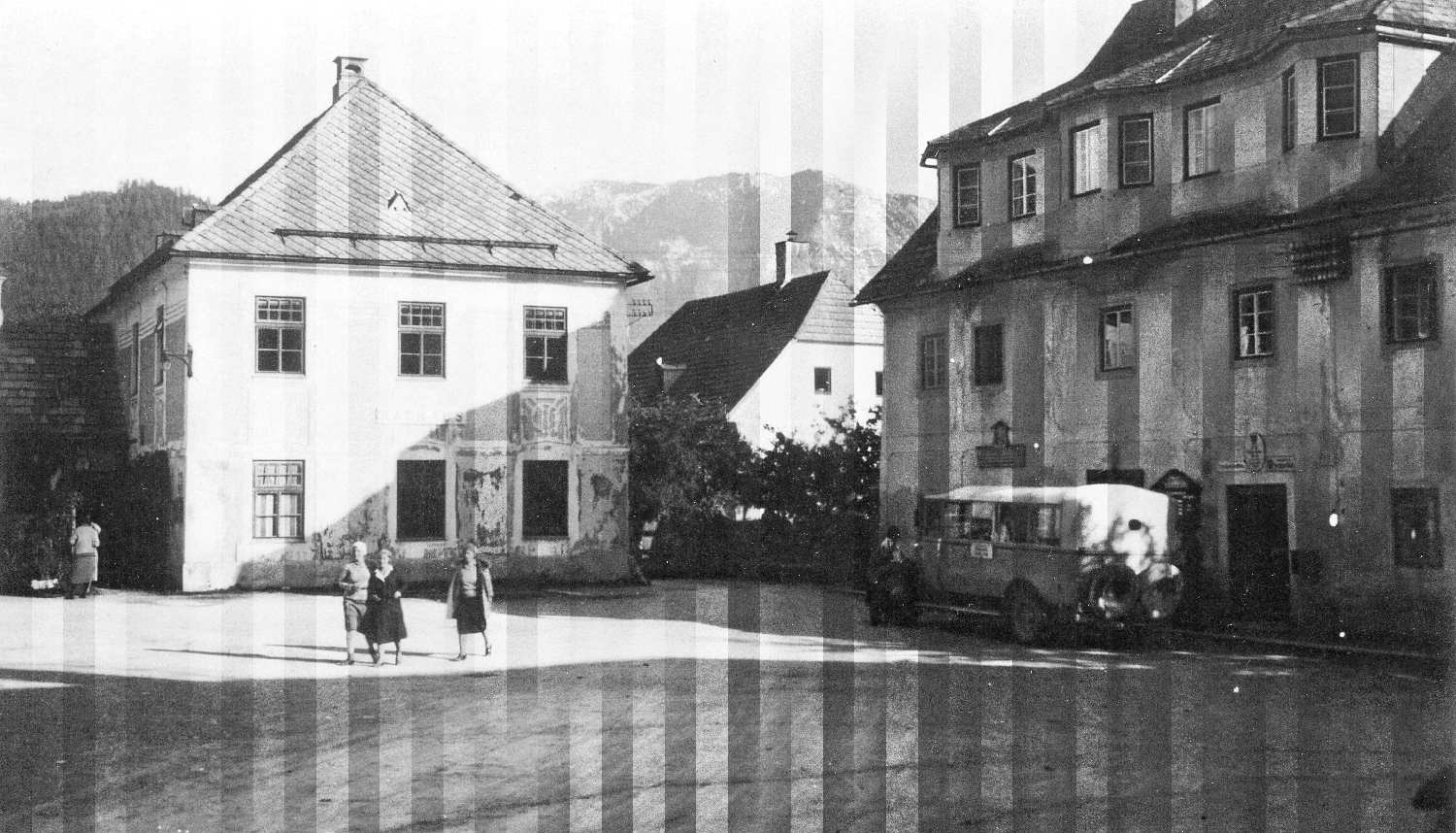
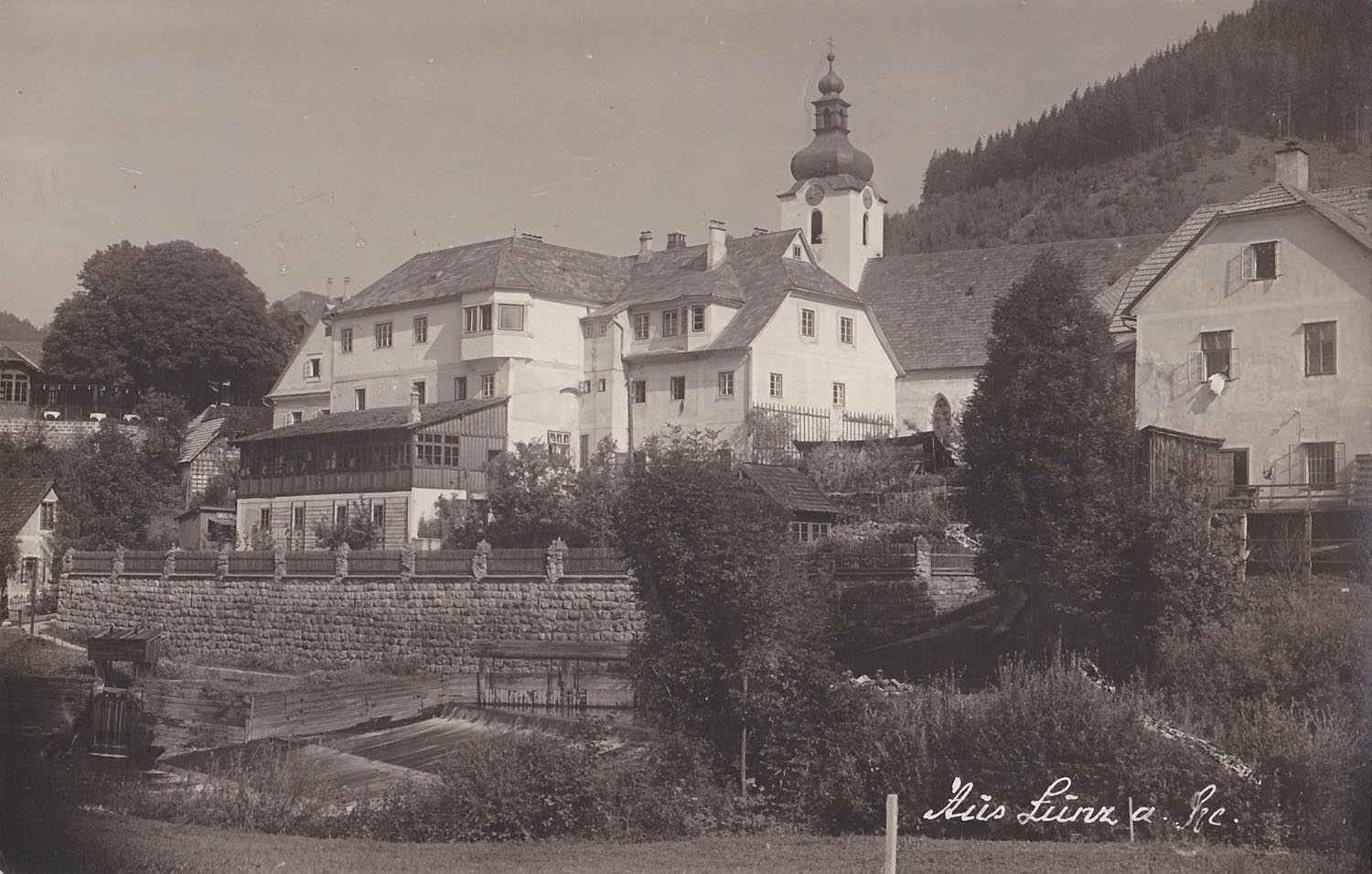
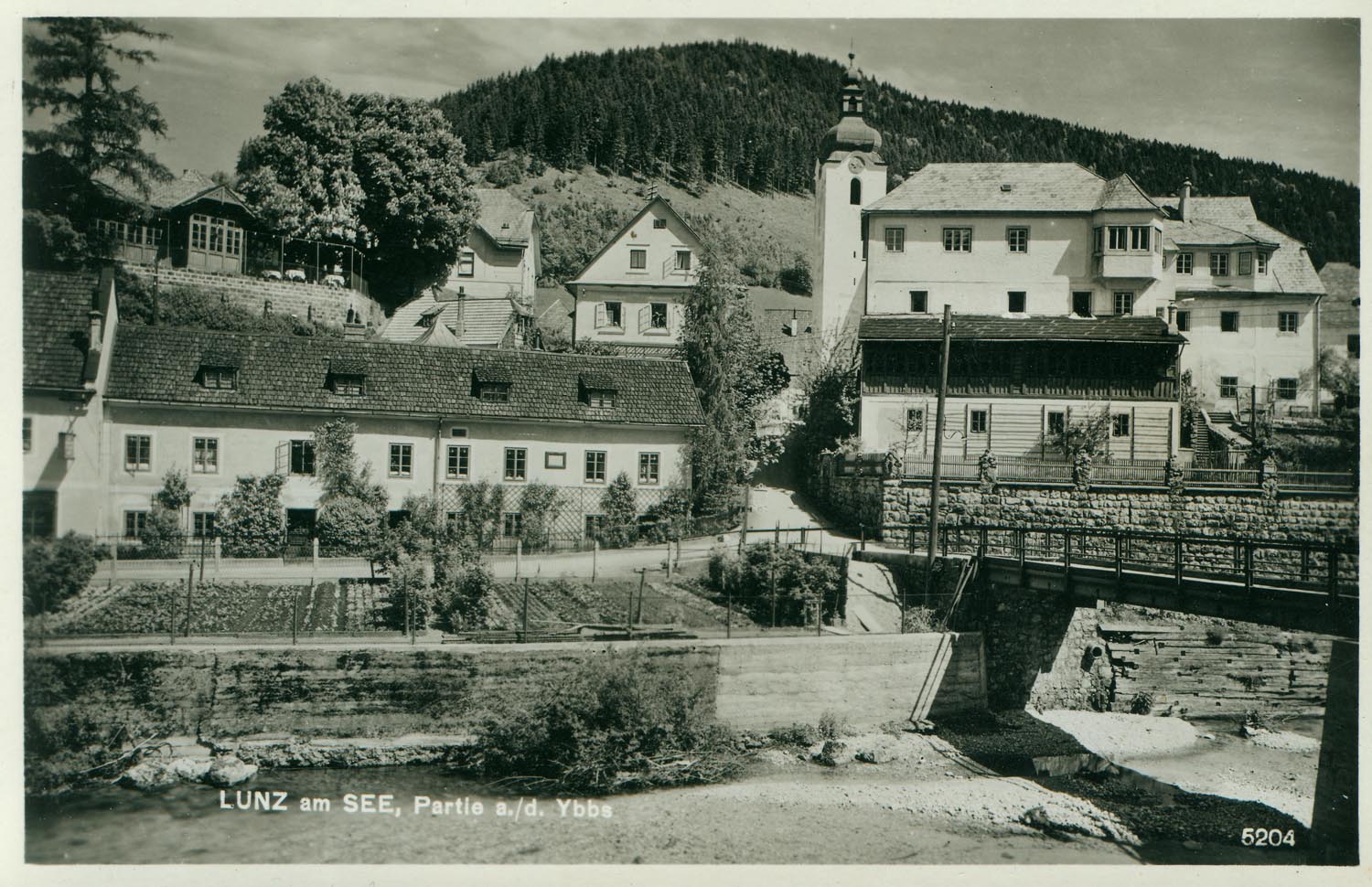
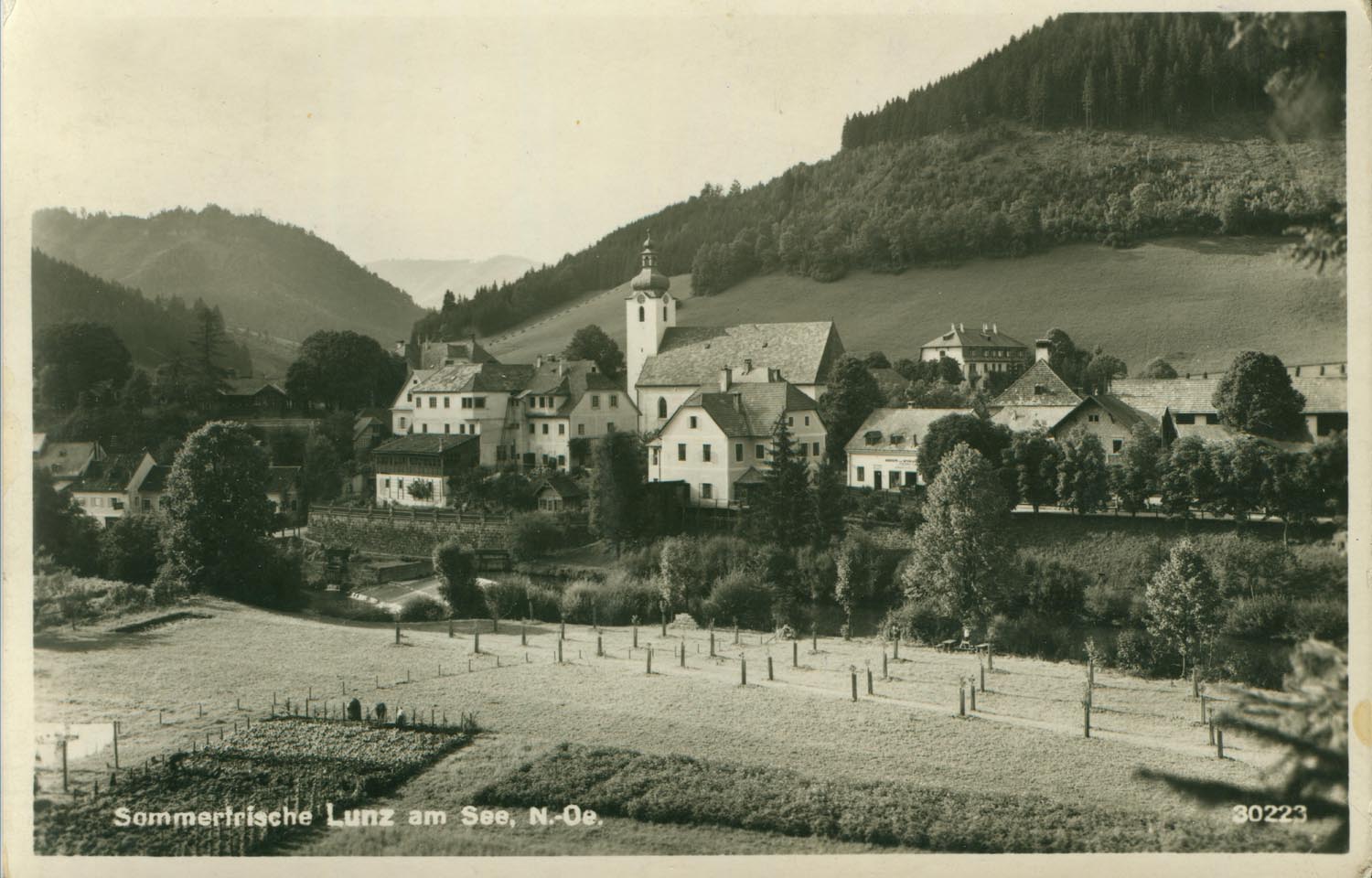
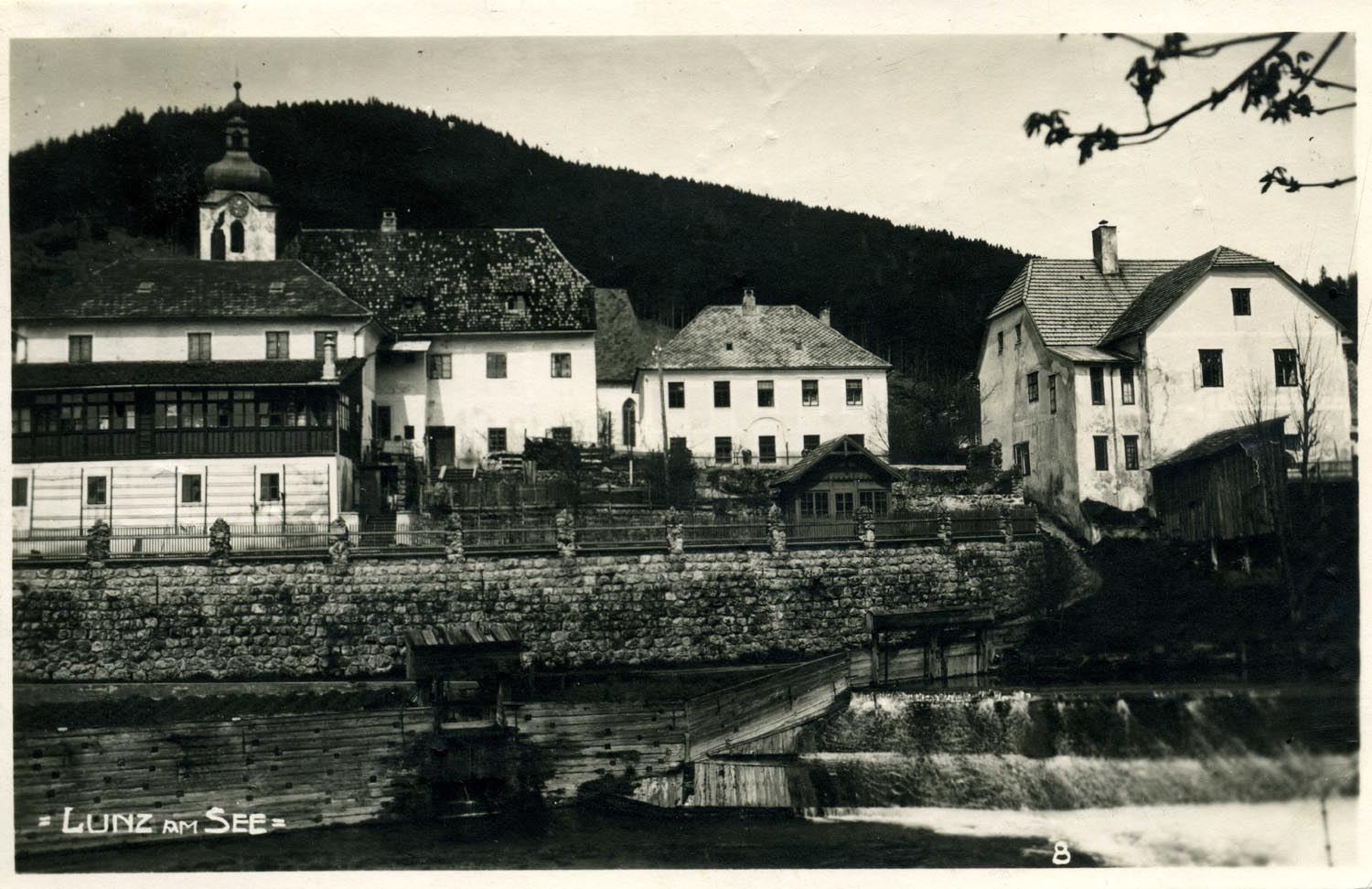
The number carved into the beams of the old parlour marks the earliest chapter of a house that has rarely stood still since. Those who passed through stayed sometimes just for a night — sometimes longer. The oldest inventory lists speak of tables, benches, jugs, guest beds, a cellar full of wine, stables and a carriage shed. All traces of an inn that has been caring for people for centuries — on their journeys, at work, in everyday life.
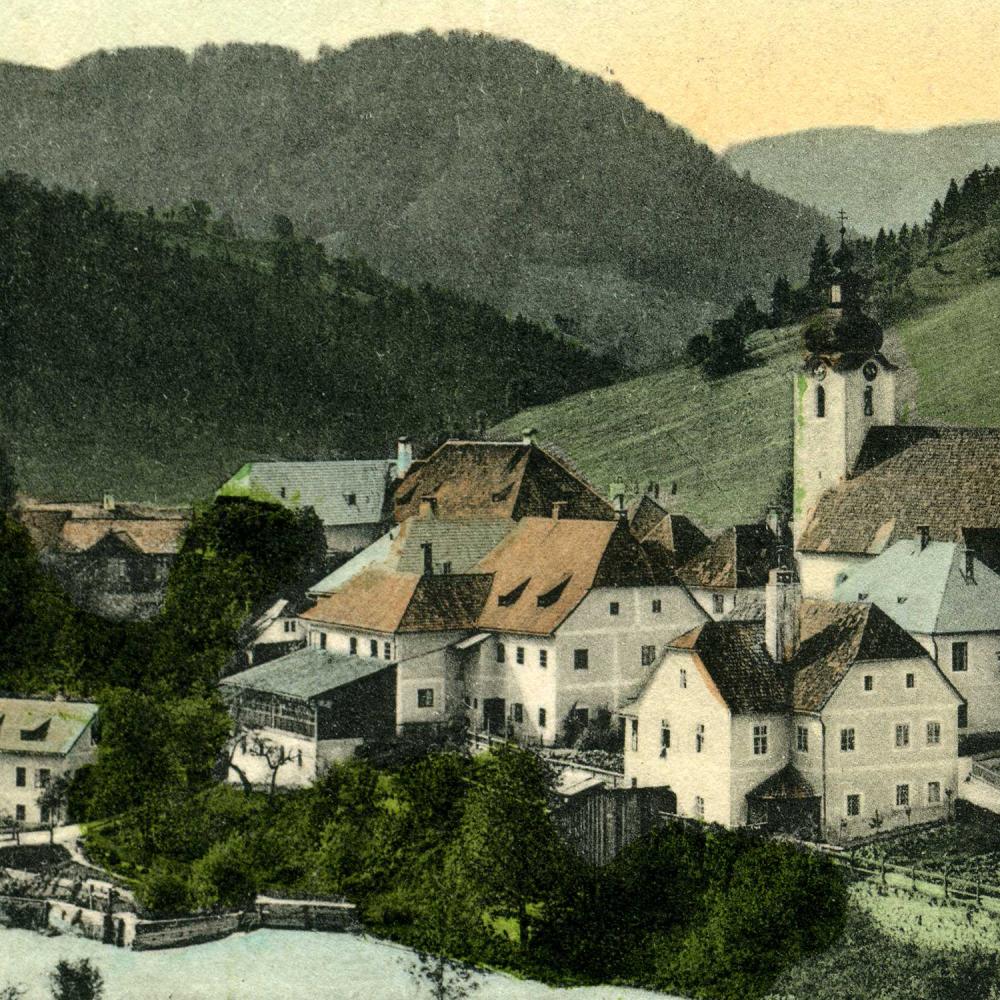
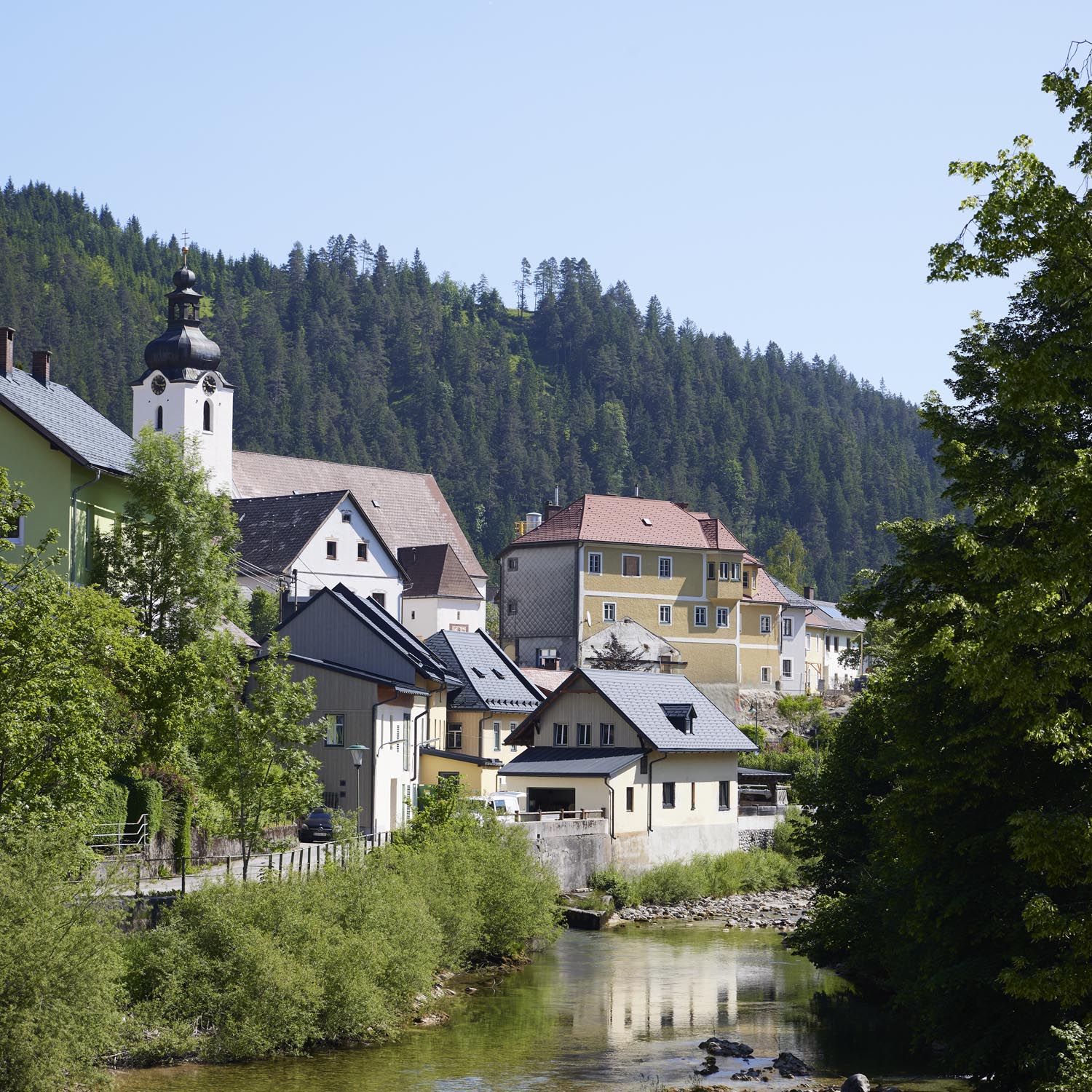
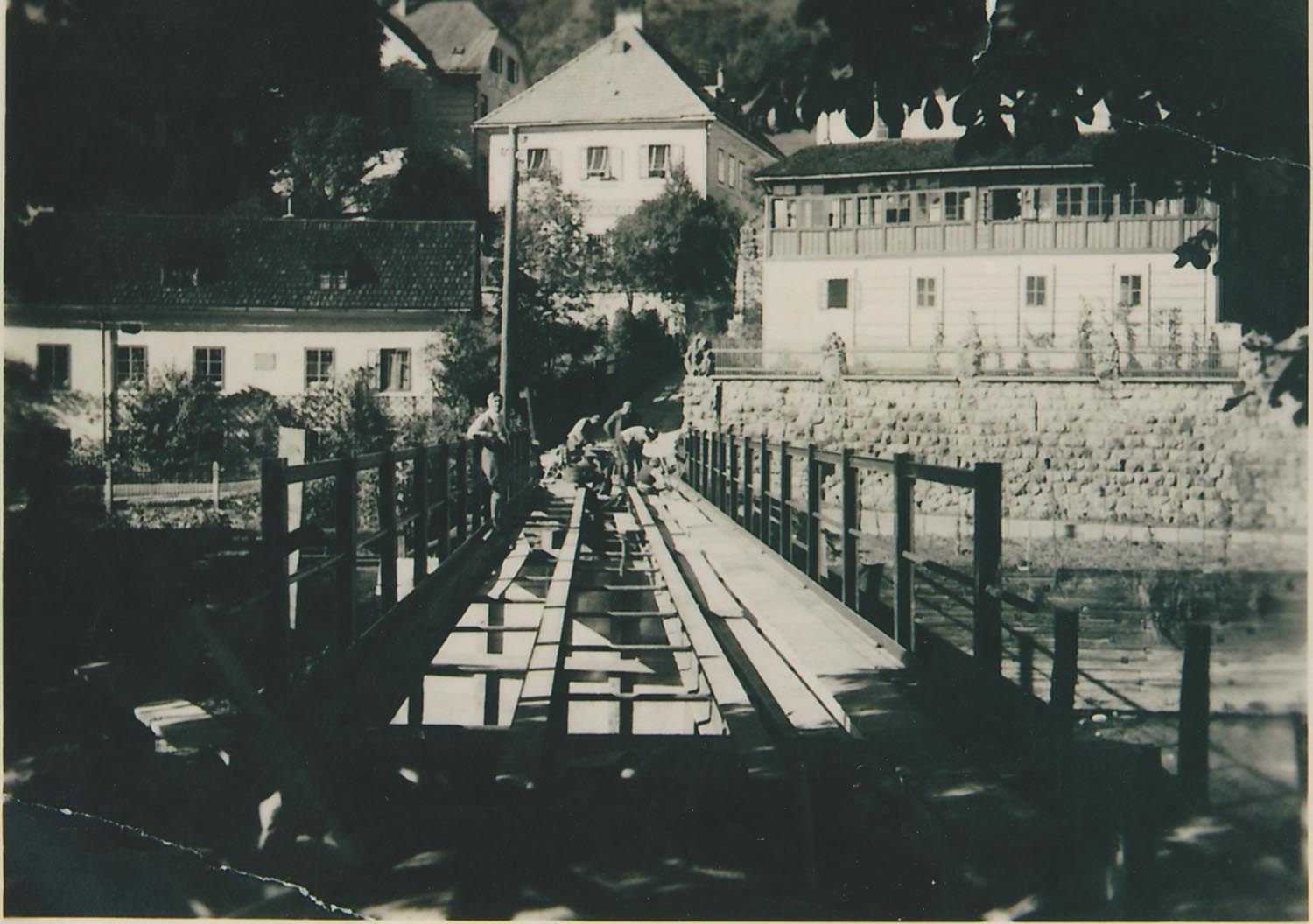
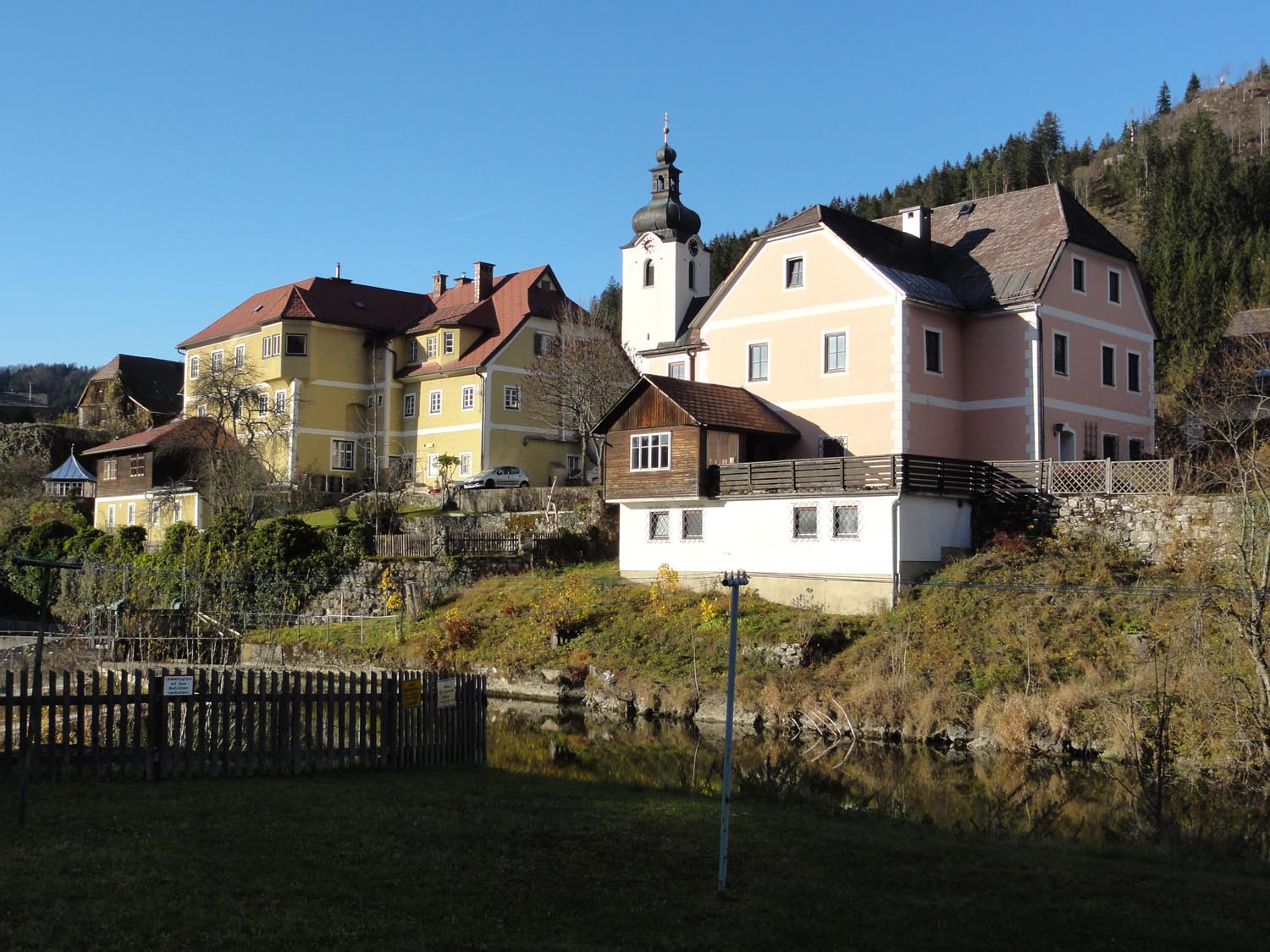
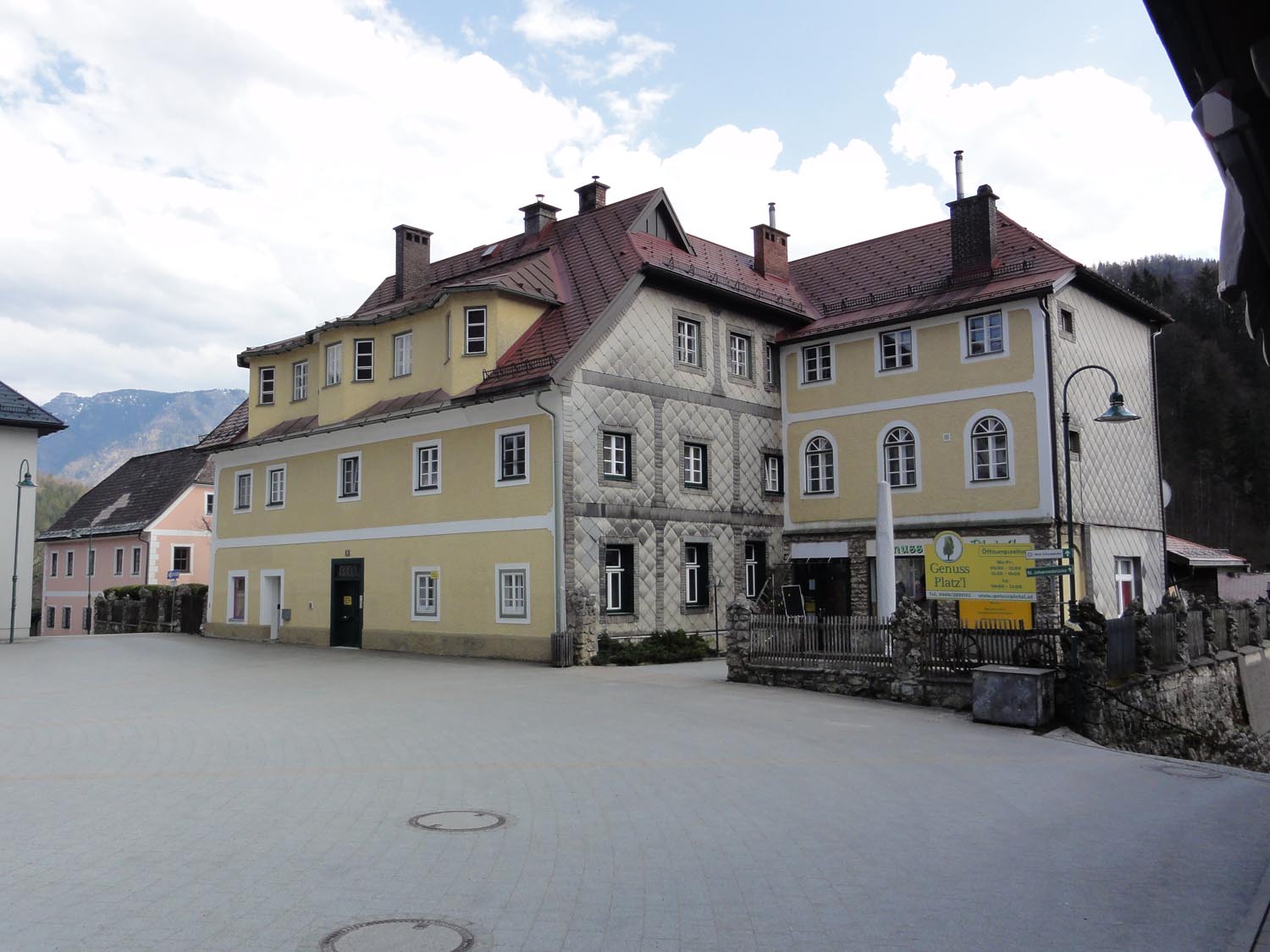
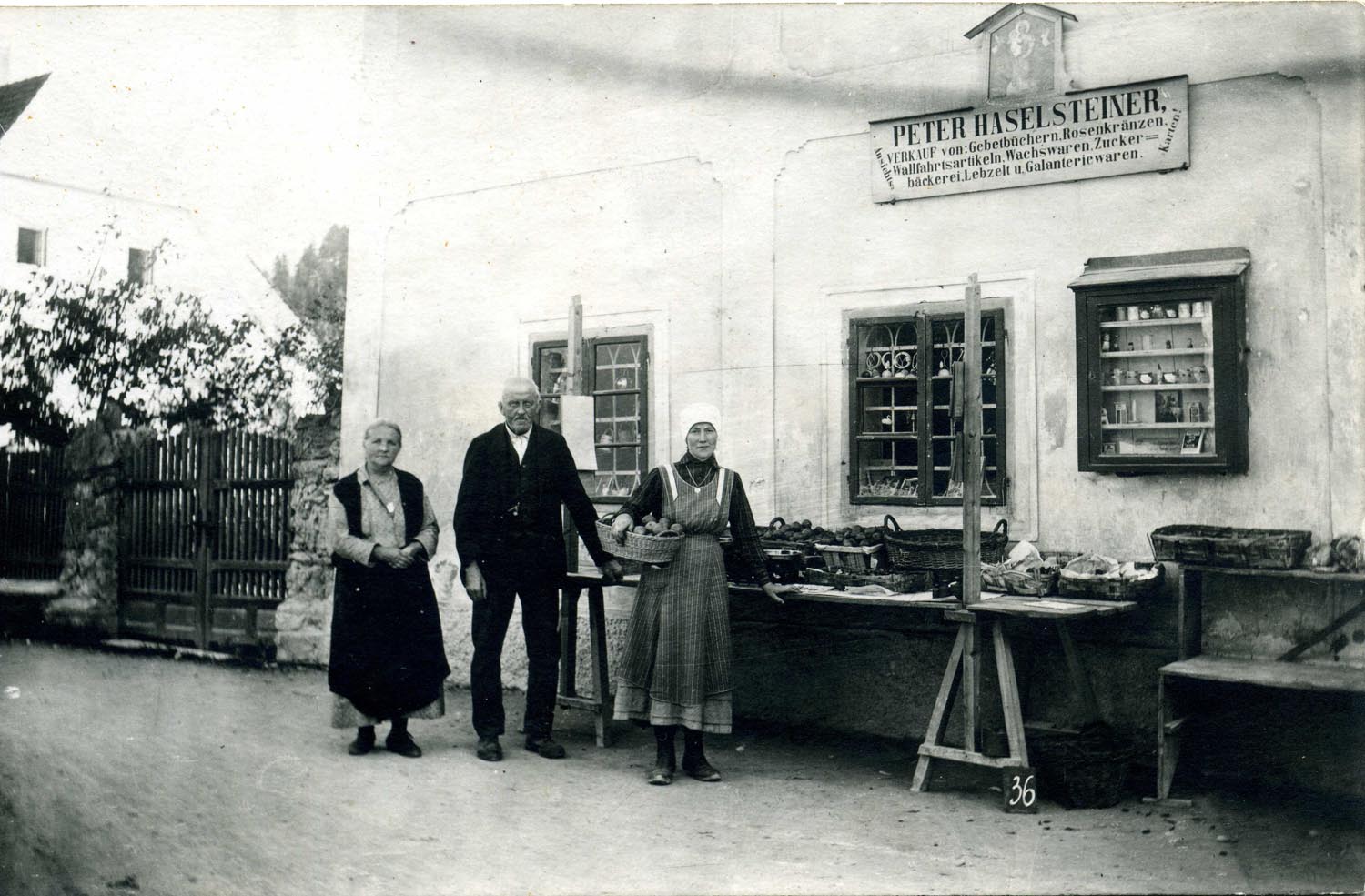
That the house often changed hands is part of its history. But its purpose remained surprisingly constant: a place of hospitality, encounters and care. Especially during the time when its owners were Proviantführer — a profession that no longer exists today, yet was essential along the old Iron Road. They supplied the workers in the forges and hammer mills with food and, in return, received Provianteisen: raw iron that was turned into tools, nails and everyday objects in the surrounding workshops. An early logistical network — and this house was right at its centre.


When Lunz became a summer retreat at the end of the 19th century, the focus shifted. People no longer came only to work or continue their journey, but to stay. To swim, to write, to make music. Artists, musicians, actors and scientists found their way to the lake. Even the later Hollywood composer Fritz Spielmann (Fred Spielman) is said to have taken his first steps as a bar pianist here — in a hotel bar in Lunz, before being forced to flee by the National Socialist regime because he was Jewish, continuing his career in the United States. The house at Grienanger stood quietly amid this transformation — steady, enduring, full of stories. Until one day it fell silent. Too silent.


Then came that winter night in 2019.

Joachim and Heinz stood before it in the snowstorm and didn’t just see an empty house — they saw a chapter waiting to be continued. Together with FORMDEPOT, the cooperative for craft, architecture and design they founded, they revived the idea of a house that connects past and present.


Today, the house lives again — through the people who fill it with warmth every day. Fanny welcomes guests with an openness that instantly lifts the rooms. Christian cooks with a calmness you can taste in every dish.


In this way, Refugium Lunz brings together what once was and what matters today: attentiveness, quality, a sense of home. A house that has welcomed people — at least since 1661 — and will continue to do so for a long time to come.


LETS STAY IN CONTACT!
Sign up to our newsletter!
SEND